Wildyouth: The Handwritten Font That Brings Authenticity to Modern Design
In a digital landscape saturated with sterile perfection, there's a growing hunger for designs that feel human, authentic, and crafted with care. This is precisely where Wildyouth enters the conversation. It's not just another handwritten font; it's a versatile typographic tool that captures a spontaneous, artistic energy. For designers, entrepreneurs, and creators, it offers a way to inject personality directly into a project, moving beyond the predictable to create something that genuinely connects with an audience.
The Visual Personality: More Than Just "Messy" Writing
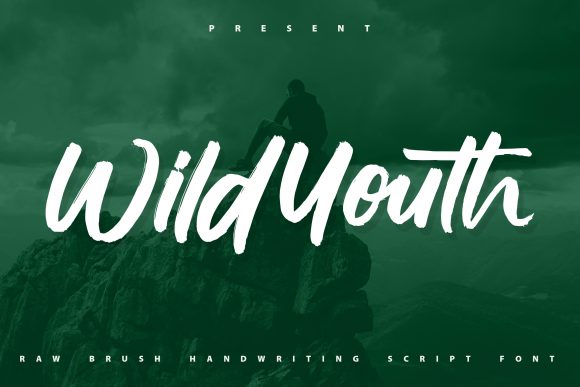
At first glance, you might categorize Wildyouth as a casual script font, but its character is more nuanced. The letterforms exhibit a beautiful inconsistency—the hallmark of authentic handwriting. You’ll notice slight variations in stroke weight, natural loops, and a rhythm that feels organic rather than engineered. This isn't the uniform, digitally-perfected calligraphy often seen in premium fonts; it has a raw, energetic quality. The baseline dances, and the letters connect with a fluid grace that suggests quick, confident strokes. This personality makes it a standout creative font, perfect for projects that need to feel approachable, artistic, and personal without sacrificing legibility.
Where Wildyouth Truly Shines: Practical Applications
Understanding a font's personality is one thing; knowing where to apply it is where strategy meets creativity. Wildyouth's versatility is its greatest strength, making it a valuable addition to any designer's toolkit of design assets.
- Branding & Identity: For small businesses, bakeries, boutique studios, or lifestyle brands, Wildyouth can become a cornerstone of the brand identity. It works beautifully for logos, especially when paired with a clean sans serif font for body text. It instantly communicates a handcrafted, artisanal quality that resonates with consumers seeking authenticity.
- Packaging & Product Design: Imagine this font on a label for artisan coffee, a craft beer bottle, or a handmade soap. It elevates packaging design by telling a story of care and individuality, helping a product stand out on a crowded shelf.
- Digital & Social Media: In the fast-scroll world of social media, static graphics often fail to capture attention. Wildyouth can be used to create dynamic social media graphics, compelling quote cards, and eye-catching Instagram Stories that feel personal and engaging. Its unique style can also add character to web design elements like headers or call-to-action phrases.
- Editorial & Publishing: While not a primary body text, it excels in editorial design. Use it for pull quotes, chapter titles, magazine headlines, or blog post graphics to break the monotony of standard serif font or sans serif font blocks, guiding the reader's eye and adding visual interest.
- Print & Personal Projects: From wedding invitations and greeting cards to inspirational posters and personal blogs, its application in personal projects is boundless. It brings a heartfelt touch to any design where emotion and individuality are key.
Strategic Typography: Using Wildyouth with Purpose
Choosing a font is a strategic decision that influences perception, readability, and hierarchy. Using Wildyouth effectively requires a thoughtful approach, much like any other display font.
Building Visual Hierarchy and Brand Perception
A font's primary job is to communicate, and its style shapes the message. Using Wildyouth for headlines or key phrases immediately establishes a focal point and sets an emotional tone. It suggests creativity, warmth, and approachability. However, its expressive nature means it’s best used sparingly in long-form text to maintain readability. Pairing it with a neutral, highly legible modern typography workhorse—a simple serif font or a geometric sans serif font—creates a balanced and professional font pairing. This contrast ensures your logo design or marketing materials are both striking and clear.
A Practical Guide to Evaluation and Implementation
Before integrating any commercial font into your workflow, a practical evaluation is essential. Here’s how to assess if Wildyouth is the right fit:
- Test for Context: Don't just look at the alphabet. Type out specific words and phrases relevant to your project. Does "Artisan Bakery" look as compelling as "Summer Music Festival"? Context is everything.
- Review the Glyphs and Styles: A quality typeface often includes alternates, ligatures, and stylistic sets. Explore the full character map of Wildyouth. These extra glyphs can add a layer of customization and prevent repetitive letter shapes, enhancing the handwritten feel.
- Check Readability at Scale: View your mockups at different sizes. A font that looks stunning in a logo might become illegible as a small caption on a website footer. Always prioritize clarity for your intended use case.
- Understand the License: For any professional application, ensure you have the correct commercial license. This protects you legally and supports the font designers who create these invaluable design assets.
Ultimately, Wildyouth is more than just a decorative element. It's a tool for storytelling. By understanding its unique character and applying it with strategic intent, you can leverage this handwritten font to create designs that don't just look good—they feel real, fostering a deeper connection with your audience and setting your work apart in a meaningful way.