Bunlay: Capturing Playful Nostalgia in Your Designs
There’s a certain charm to designs that feel both timeless and playfully nostalgic. They evoke a sense of warmth and familiarity, instantly connecting with an audience on an emotional level. Achieving that perfect vintage aesthetic, however, often hinges on one critical element: typography. This is where a carefully crafted serif font like Bunlay enters the conversation, offering designers and creators a powerful tool to infuse their work with authentic retro character.
The Visual Soul of Bunlay
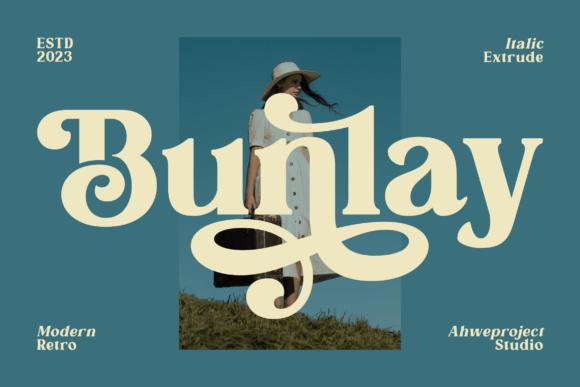
At its heart, Bunlay is a masterfully designed serif font that feels like it was pulled directly from a beloved mid-century advertisement or a cherished family recipe book. Its letterforms are characterized by a gentle, rounded structure that avoids the harshness of some modern serifs. You’ll notice subtle curves and a slightly condensed shape that gives it a cozy, approachable personality. The terminals often have a soft, almost pen-like finish, and the serifs themselves are sturdy yet friendly, providing a solid foundation without feeling overly formal or rigid.
This typeface doesn’t scream for attention; it invites you in. Its visual weight is balanced, making it exceptionally versatile. It carries the elegance of a traditional serif but pairs it with a down-to-earth, handcrafted quality. This unique blend is what makes Bunlay so effective at creating that sought-after vintage vibe—it feels authentic and lived-in, not like a sterile digital recreation.
Where Bunlay Truly Shines: Practical Applications
Understanding a font's personality is one thing; knowing where to apply it is where the real design work happens. Bunlay’s playful nostalgia makes it a natural fit for specific projects where storytelling and emotional connection are paramount.
Branding and Logo Design
For businesses aiming to project warmth, craftsmanship, and heritage, Bunlay is an excellent choice for a primary or secondary logo typeface. Imagine it on a logo for a local bakery, a boutique coffee roaster, a craft brewery, or a handmade jewelry brand. It immediately communicates a sense of care, tradition, and quality. Its distinctiveness helps with brand recognition, while its friendly demeanor builds trust with customers.
Editorial and Packaging Design
On a book cover, magazine feature, or menu, Bunlay creates an inviting focal point. It’s particularly effective for titles, chapter headings, or pull quotes where you want to draw the reader’s eye with a touch of style. In packaging design, this serif font can make a product feel premium yet accessible. Think of the labels on artisanal jams, vintage-style candles, or gourmet snacks—the font becomes part of the product’s story.
Digital and Social Media
Contrary to the myth that serif fonts don’t work online, Bunlay proves its worth in web design and social media. Use it for hero section headings on a lifestyle blog, for quote graphics on Instagram, or for the title cards in a YouTube video. Its character helps content stand out in a crowded feed, and its legibility at larger sizes ensures your message is clear. It pairs beautifully with a clean sans serif font for body text, creating a dynamic and readable hierarchy.
Making Bunlay Work for Your Project
Choosing the right premium font is a strategic decision. Before integrating Bunlay into your next project, consider these practical steps to ensure it’s the perfect fit.
- Evaluate the Project’s Tone: Does your project call for warmth, nostalgia, and a touch of whimsy? If you’re designing for a cutting-edge tech startup or a minimalist luxury brand, Bunlay might not be the right tool. But for anything with a human, artisanal, or classic feel, it’s a strong candidate.
- Test Font Pairings: Bunlay works exceptionally well with a variety of other typefaces. For a balanced design, pair it with a simple, geometric sans serif font for body copy. For a more eclectic, vintage look, consider pairing it with a subtle script font or handwritten font for accents. Always test pairings in context to see how they interact visually.
- Review the Full Character Set: A major advantage of a creative font like Bunlay is its extensive character set. Being PUA encoded means you can easily access all the glyphs, swashes, and alternate characters. This gives you incredible flexibility to customize letterforms, add flourishes, and create truly unique typographic compositions for your brand identity.
- Consider Readability: While Bunlay is designed for clarity, its decorative nature makes it best suited for headlines, logos, and display text rather than long paragraphs of body copy. For extended reading, always pair it with a highly legible text font. Test it at various sizes to ensure it remains clear and impactful on both screens and in print.
- Understand the License: As a commercial font, ensure the licensing aligns with your project’s scope. Bunlay’s license typically covers a wide range of uses, from digital social media graphics to printed packaging design and merchandise. Reviewing the terms upfront is a crucial part of professional design practice.
A Final Thought on Creative Assets
In the toolkit of modern typography, having a diverse collection of design assets is key. Bunlay isn’t just another serif; it’s a specific tool for evoking a specific feeling. Its value lies in its ability to transport a viewer, to make a brand feel more personal, and to add a layer of intentional style to any layout. Whether you’re crafting a logo design, designing a wedding invitation, or developing a cohesive visual identity for a small business, this typeface offers a reliable and charming way to achieve a polished, nostalgic result. The best designs feel effortless, and choosing a font with as much character as Bunlay can do a lot of the heavy lifting for you.